
Method
Nature powered carbon removal
Plants naturally capture vast quantities of carbon dioxide. But when they decompose, that carbon is released back into the atmosphere. Rewind radically slows this cycle by preserving plant biomass in anoxic (oxygen-free) environments, where it can safely store carbon for thousands of years.
Buy Carbon Removals
Engineered to store carbon away for good
Rewind's storage sites leverage two layers. The first is the natural anoxic conditions found deep underground and underwater, preserving plant carbon as solid matter for thousands of years. The second layer is a deep separation from the atmosphere, keeping the small quantities of decomposition products locked inside the storage site.

Globally scalable
Billions of tons of surplus plant biomass are produced each year, and vast geological storage sites including disused mines and marine basins exist globally. Given the scalability of these two resources (geological sites and biomass), Rewind's model is forming a blueprint for removing carbon at gigaton scale.
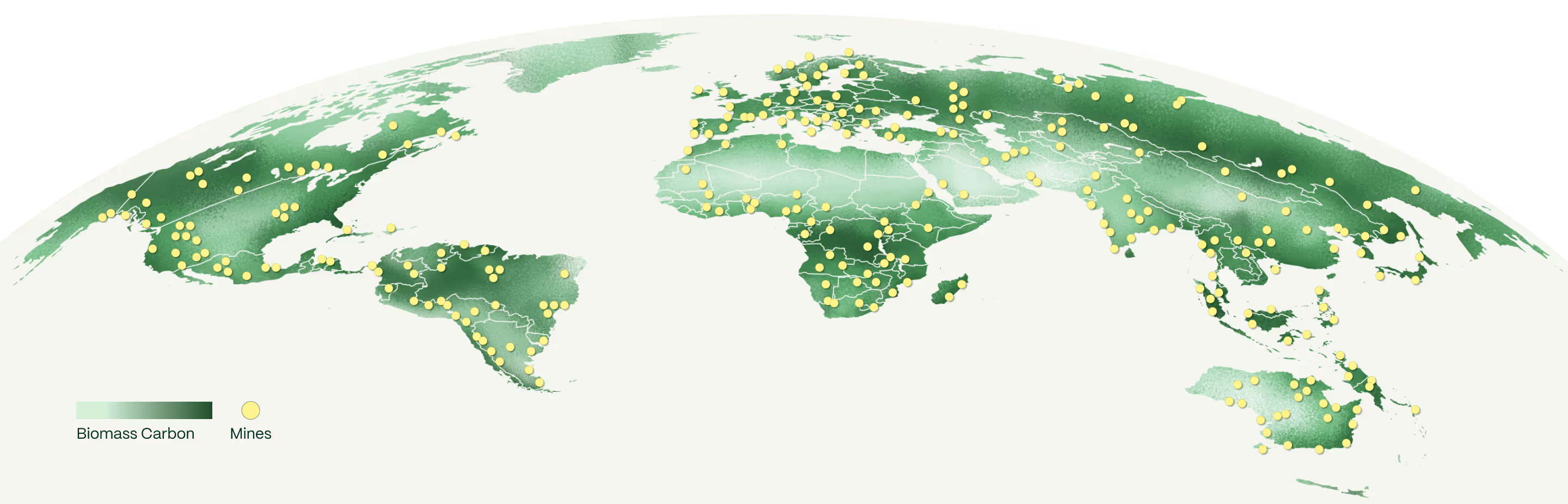
Our technology and methodology is deployed through Deep Mine Storage:
Deep Mine Storage (DMS)
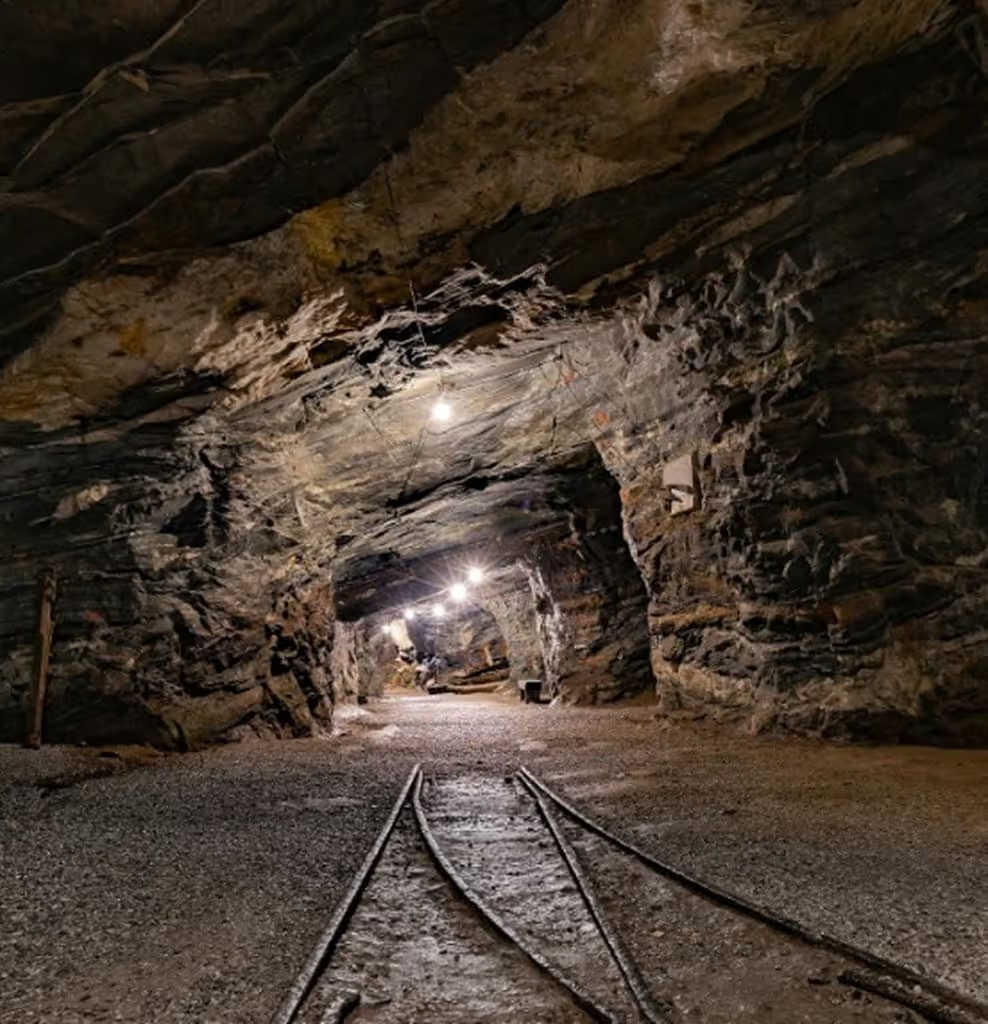
Through natural processes, plants can become buried underground, partially decomposing over geological timescales and turning into fossil fuels such as coal. Humanity has dug hundreds of thousands of mines all over the world to extract these resources, many of which have left empty voids located near vast forests. Rewind leverages these locations by injecting them with sustainably sourced biomass where it is sealed by thick sediments, trapping the CO₂ inside it.
Energy-efficient carbon removal
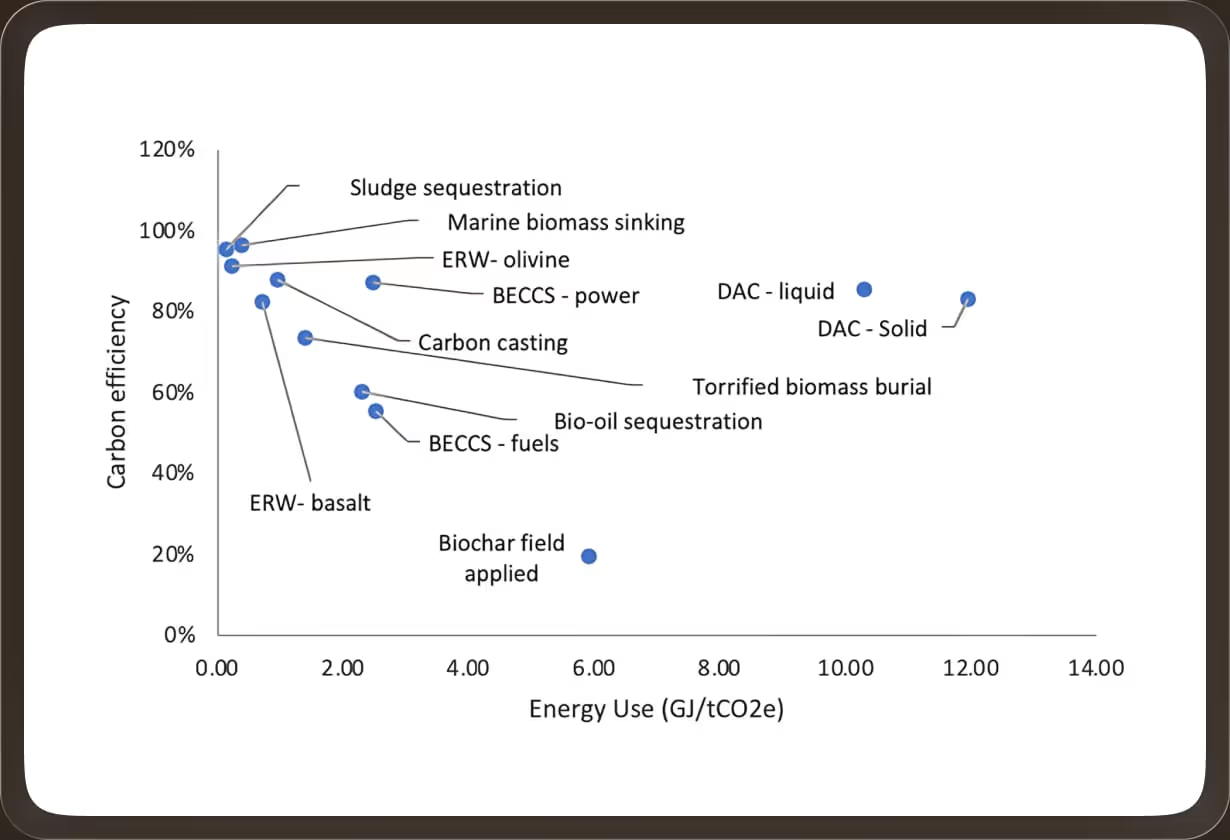
Unlike methods that burn or chemically treat biomass, Rewind's method requires only transportation and anoxic storage conditions. Studies confirm that this makes Rewind's approach one of the most energy-efficient carbon removal solutions on the market.
End-to-end MRV
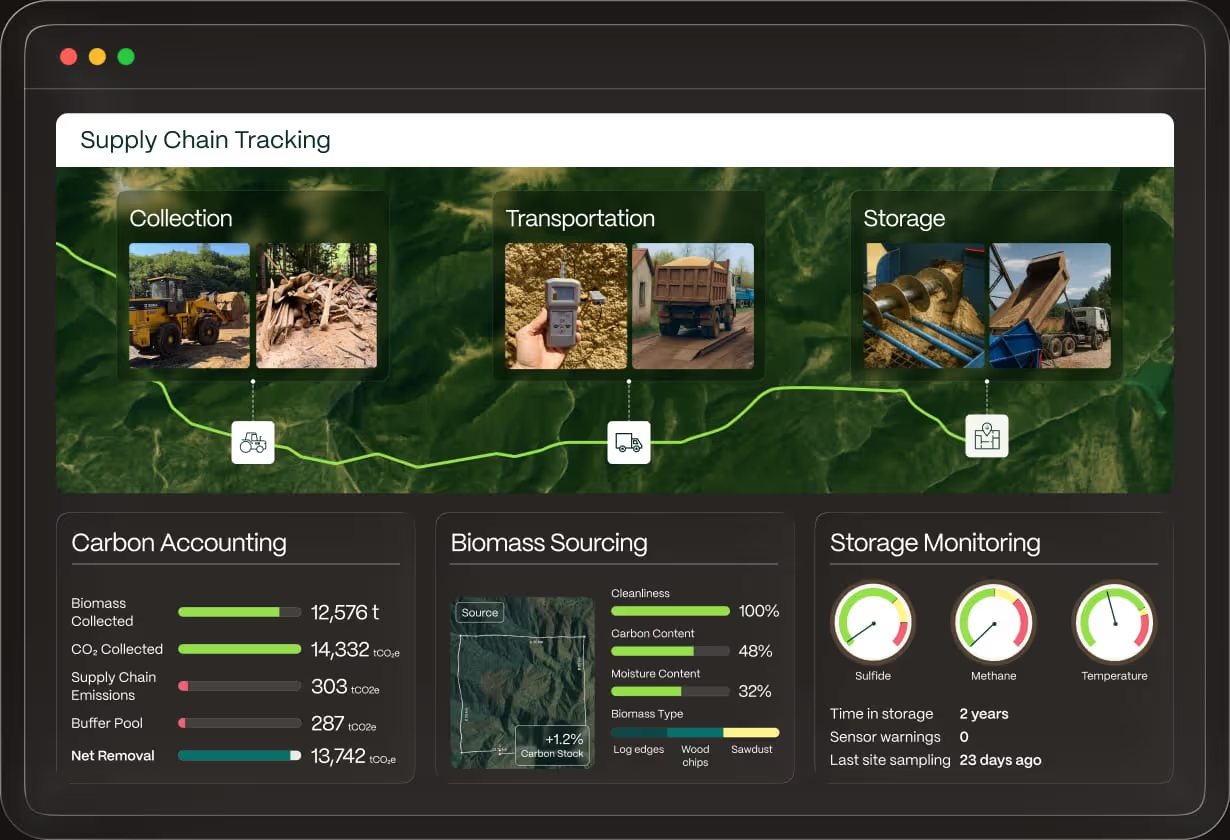
To ensure best-in-class carbon removal, we operate a comprehensive digital Measurement, Monitoring, Reporting, and Verification (MMRV) platform that tracks the entire biomass journey, from how it's sourced to long-term storage.
All biomass is analysed for moisture, carbon content, and contaminants, while methane levels and net carbon removal are closely monitored.
Learn more about our MRV →
Independently certified carbon credits
Trust and accountability are at the heart of Rewind. Our projects are certified by leading registries such as Isometric and Puro.earth, ensuring that every carbon credit represents real, permanent carbon removal you can trust.